

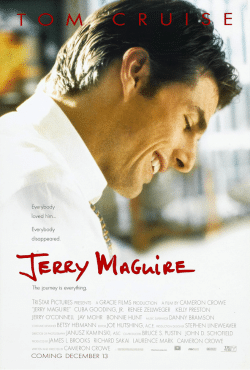
1. Jerry Maguire – “Show me the money!”
When you hear “Show me the money!” you probably think of Jerry Maguire. That quote really rocks. It gets right to the heart of real estate sales motivation. Money talks, right? A lot of us feel that push. We want to win and make sales. In real estate, as in Jerry’s sports realm, cash is king. You push harder and higher every day. You even yell, “Show me the money!” to maintain your morale.
Jerry’s journey as a sports agent is the path of a real estate agent. Both roles require grit. You work your way up from the bottom and hustle your way to the top. Jerry fights challenges and fights for his clients. Real estate agents do the same. We bargain, adjust, and try to create a brand. The struggle and the triumph are very real. It’s a connected narrative of growth and determination. It’s about converting every no into a yes.
Personal relationships are essential. Jerry understands that, right? Deals close on trust and connection. You earn that handshake, that nod. In real estate, relationships are worth more than numbers. You listen, you empathize, you get to know each other. So, just like Jerry, you strike that balance between professional and personal. It’s not only about making a sale. It’s about making that deal mean something to your client.
The movie nails it: ethics in cutthroat industries. Jerry’s decisions are tough ones. We see it in real estate, too. There is pressure to cut corners and bend rules. You stand your ground and stay honest. Ethics win trust and will build you a lasting career.
Table of Contents
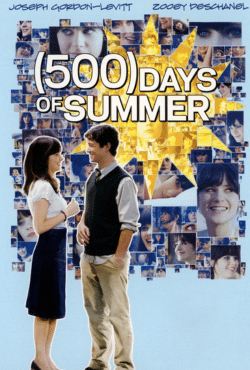
2. Tom Hansen – “500 Days of Summer”
Next, let’s get into who this Tom Hansen is in “500 Days of Summer.” This isn’t just a love story; it’s a study on how real estate impacts Tom’s life. Picture this: Tom’s journey revolves around spaces. His romantic highs and lows become mirrored in the places where he inhabits.
Think about that rooftop scene. It’s not just a place—it’s a stage for his emotions. Every place has a story to tell, of course. When Tom stands on that rooftop, he’s feeling hopeful. When he’s in his cramped bedroom, it echoes his confusion and longing. Real estate here isn’t just physical; it’s emotional.
There’s the whole concept of home ownership. In the movie, it’s sort of a stand-in for commitment. Tom dreams of a future with Summer, and that means finding a home. It’s not just about bricks and mortar, but about finding a place to belong.
Owning a home becomes this dream that gets attached to his relationship desires. It’s more than walls; it’s connection and stability.
There’s a difference between dreaming and doing. The film juxtaposes ideal spaces—those beautiful, Instagram-ready apartments—against the lived-in, messy ones. It’s like the difference between Tom’s dreams and what’s actually happening.
We fantasize about ideal spaces, yet life grounds us in the messiness of reality. This paradox says a lot about our real estate dreams. We all want that dream home, but life throws us something a little less polished.
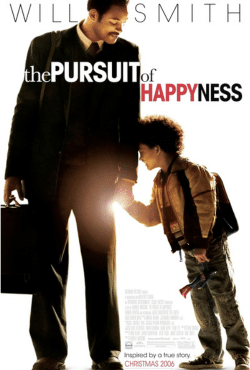
3. Chris Gardner – “The Pursuit of Happyness”
Then, we talk to Chris Gardner, the guy who clawed his way to solidity in “The Pursuit of Happyness.” Picture this: Chris, juggling unpaid internships and fatherhood, while facing eviction after eviction. Housing insecurity was a shadow, forever creeping. Imagine day-to-day living, not knowing where you will lay your head. That’s Chris’s reality, and it’s raw.
You feel his grit in his desperate clinging to the hope of a better life. It’s not just finding a roof; it’s building a future. Chris shows us the road to owning a home and a stable life is riddled with bumps. You keep pushing, even when the odds stack up.
Chris’s journey is a testament to not giving up. It’s about the long nights, the countless rejections, and the rare victories. You see his journey and realize success isn’t a straight line. It zig-zags. Yet, every little step forward means something.
The film captures the essence of the American Dream, oozing with real estate. Owning a home, a symbol of success, becomes a beacon for Chris. The dream isn’t only about wealth; it’s about having a place to call your own.
A spot on the map that’s yours. It’s the quest for something beyond the money—it’s our trying to stake some claim on a bit of the world. Mentorship plays a massive role here. Chris finds guides to help him decode the complex real estate landscape.
They share wisdom, give advice, and open doors. Mentorship is a lifeline, showing Chris pathways he might not see alone. It’s a reminder that sometimes, he needs a little help to make those big dreams real.
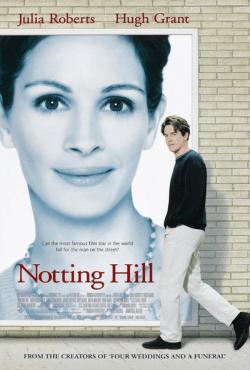
4. Anna Scott – “Notting Hill”
Notting Hill tells a story where glamour collides with grit. Anna Scott, the gorgeous Hollywood actress, marches into a nice little bookshop in Notting Hill. She takes the traditional real estate background and flips the script. Her glamorous life is at odds with the warm, colorful feel of this London neighborhood.
Imagine a world where movie stars rub shoulders with everyday folks — a place that brings the film’s charm to life.
Real estate isn’t just a background; it drives the love story. The modest bookshop becomes a sanctuary, a stage for romance to blossom. The contrast between Anna’s dazzling world and William’s humdrum existence is more than just a plot device.
It adds dimensions to their relationships and rounds out their personalities. A simple house, a bustling street, even a garden become symbols of their journey.
Location says a lot about social status. In Notting Hill, the setting accentuates the disparity between Anna’s celebrity lifestyle and William’s simple life. With these charming houses and vibrant markets, the neighborhood becomes the backdrop to a love that breaks societal bounds.
You can feel that tension, that pull between these two worlds. The backdrop of Notting Hill bridges that gap beautifully.
The film also weighed in on celebrity culture’s influence on real estate. Anna’s presence in Notting Hill creates a perfect storm of admiration and chaos. Her star power shifts perceptions of the neighborhood, transforming ordinary streets into desirable locations.
This highlights how being a celebrity can change perceptions. It also demonstrates how it can puff up real estate values, courtesy of a little Hollywood magic.

5. Jim Braddock – “Cinderella Man”
Jim Braddock, the hero of “Cinderella Man,” fights for his family. He fights not only in the boxing ring but also in the hard-nosed real estate business during the Great Depression. Real estate becomes a lifeline for him. You see Jim’s battle to keep a roof over his family’s head, as he wants stability and a place that feels homey.
This struggle is a fight against the odds. Real estate isn’t just about land or buildings here; it’s about hope for a better tomorrow. Just think, you have to defend your family, and you know if you lose the house, you’re not just losing bricks and mortar. It means losing comfort, safety, and dignity.
In the movie, owning a home has deep resonance. For Jim, it’s not just a place; it’s a symbol of survival and family unity. He endures the economic storm with grit and love. We watch him standing in the face of eviction, feeling every punch thrown in the name of life.
The film vividly illustrates economic hardship. Homes and jobs disappear like mist, and families hold desperately onto what little they have. Jim’s journey showcases the fight for housing security. It isn’t just about making a home; it’s about holding onto it in the midst of chaos.
The story of Jim Braddock is an attestation of resilience. The circumstances are dire, but he never lets it get to him. Jim demonstrates that even in adversity, spirit can shine through. His story resonates with anyone who has ever fallen on hard times. It’s about fighting back, holding on, and pushing through.
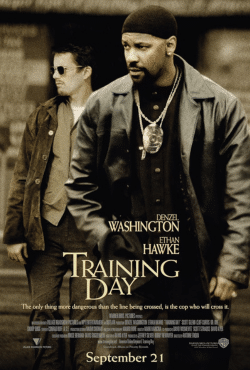
6. Alonzo Harris – “Training Day”
Alonzo Harris, played by Denzel Washington in “Training Day,” offers a complicated perspective on morality in high-stakes jobs. His character embodies the intense ethical dilemmas of people in those roles. He delves into ethical gray areas to demonstrate the dark side of bending the rules. Just think about your dealings with a realtor who plays fast and loose with the truth for his own benefit.
Alonzo’s actions compel viewers to consider ethical boundaries in real estate. Avoid an ethical dilemma and be like a good realtor; be honest.
The film deals with power and corruption, reflecting real estate’s own dangers. Alonzo has the power, but he’s corrupt in his own ways. This mirrors some real estate dealings in which power can corrupt, inducing bad practices. Integrity must guide realtors; it balances power with fairness.
For example, imagine a real estate agent who abuses their expertise. It’s this kind of power abuse that the film literally warns us about.
Urban settings also prove crucial in “Training Day.” The often gritty urban landscape informs the characters and actions, just like urban areas inform real estate markets and motivations. Cities are living, breathing entities, affecting both buyers and sellers.
Alonzo moves through an urban jungle, attuned to its pulse, just like realtors in cities must adapt to constantly shifting environments.
Ambition’s dark side gets a spotlight in the film. Alonzo’s obsessive pursuit of success ultimately destroys him. In real estate, ambition is what makes the money, but unchecked ambition leads to unethical decisions.
High-stakes environments require a commitment to both ambition and ethics. Realtors must aim high but stay grounded in principles, avoiding Alonzo’s fate.
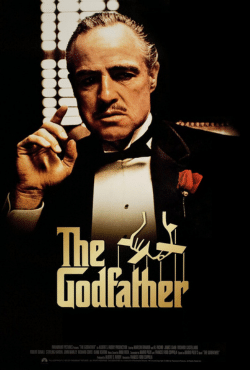
7. Michael Corleone – “The Godfather”
Ever watch Michael Corleone in “The Godfather” and wonder how real estate shapes the underworld? Real estate deals are not background noise. They are a theatre where power struggles play out. Instead of picturing Michael as a mob boss, picture him as a businessman. He treats property like chess pieces. Each deal is one move in a much larger game.
In the film, buying and selling properties is more than transactions. They are fights for power and influence. Michael’s careful maneuvers show how real estate becomes a tool for dominance.
Now, imagine you’re a property owner. What does this mean for Michael and his family? It’s not only about land or buildings; it’s about legacy. For them, owning property is a matter of family pride and control. The Corleones leverage their holdings to make their mark on history.
Property becomes a hallmark of their continuing power. They don’t just own land; they own a piece of the world. This connection between ownership and legacy is a powerful theme throughout the movie.
Crime blends with real estate to reveal the ugly underside of the American Dream. Michael’s world blurs the line between legitimate business and crime. Real estate is the bridge where crime meets ambition. It shows how the quest for success can take you down some very shady paths.
The film offers a poignant illustration of the relationship between crime and property. It provides a gritty view of the pursuit of the American Dream.
This loyalty and betrayal is intrinsic in every business deal. Michael’s journey illustrates that trust isn’t readily available. Each handshake conceals motives. Betrayal lies behind the shadow of every business decision.
Loyalty? That’s gold. In business, as in family, the film underscores, loyalty means survival. It’s a reminder that in the world of real estate, trust is a fragile thing.

8. Marge Gunderson – “Fargo”
So, now let’s talk about “Fargo” and real estate. Here, the snowy plains of rural Minnesota play a huge role, almost like a character in the film. The open and sparsely populated landscapes are the backdrop to the film’s plot, illustrating how space affects human beings. These open spaces frame the movie’s narrative, illustrating a tale of isolation and simplicity.
Rural real estate isn’t just about land or buildings. It captures that way of life in “Fargo” and how their characters interacted with their environment. The land sends a strong message about the lifestyle and values of its people. This richness deepens the movie.
Marge Gunderson, our determined detective, gives us a front-row seat to this world. Her work doesn’t stop at catching criminals; she provides insights into the local real estate scene. As she hunts down criminals, she knows small-town life. Her observations uncover how property and crime manifest themselves in the film.
It’s not all about catching the bad guys either. Through her lens, we get a glimpse into the market and its oddities, shining light on the community’s backbone. Marge’s sharp eye for detail doesn’t miss how realty reflects the town’s heartbeat.
The film paints suburban life in stark colors. It displays the juxtaposition between a serene environment and the mayhem that occurs within. The peaceful streets and tidy homes mask the sinister acts beneath. This points toward the moral rot behind picket fences.
The contrast is jarring, yet it drives home the movie’s message. You see how the sun-soaked landscape belies cruel realities. It’s a reminder that beneath a calm surface, trouble often brews, challenging our assumptions about safety and morality.
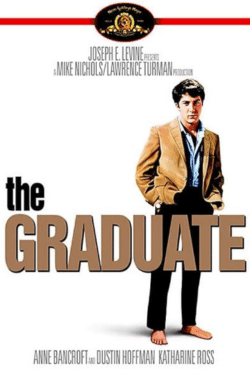
9. Benjamin Braddock – “The Graduate”
Let’s go back to “The Graduate” and the whole disillusionment thing. Benjamin Braddock, straight out of college, gets stuck in a world of expectations. His parents and their friends encourage him to make it big. They also imply that real estate is the end game. They’re like, “Hey, buy a house, get married, live the dream!
Ben? He isn’t buying it. He’s floating in his pool, contemplating the meaning of life, real estate, and everything in between. This is a wake-up call for anyone who’s been boxed in by those old-school success blueprints.
In the movie, real estate is more than just physical buildings; it’s emblematic of the cookie-cutter life society wants to shove down Ben’s throat. This metaphor draws attention to the pressure he feels to conform. It’s one big, flashing billboard: “Suburbia, Here I Come.
The dude can’t quite shake that feeling of there being something else. The film adds real estate to the mix to illustrate how personal decisions rub up against societal expectations. It’s not just about a house; it’s about buying the life everyone expects you to live. By avoiding this route, the film gets you thinking about how much your decisions are actually yours.
The film also takes a jab at consumerism and how it infiltrates housing decisions. Ben’s parents’ whole lives are about getting stuff—houses, cars, the whole deal. It’s all supposed to lead to happiness. Does it do that? The Graduate begs to differ.
Ben’s reluctance to jump into real estate exposes the hollowness that can come from pursuing stuff. It’s a reminder to ask ourselves what truly matters.
Location, location, location. It shapes the lives of the characters and their futures. Ben navigates the suburban comfort of his home. He also craves the thrill of the city, where Mrs. Robinson and Elaine live.
Each place holds a different promise and pulls him in different directions. The setting becomes almost a character, forcing Ben to (literally) choose who he wants to be. It compels him to choose his path and destination. The right or wrong place can make or break your relationships and future.
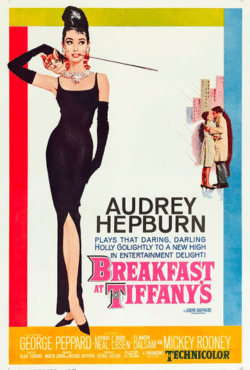
10. Holly Golightly – “Breakfast at Tiffany’s”
Meet Holly Golightly. She is much more than a character; she is a symbol. In “Breakfast at Tiffany’s,” luxury real estate glows like a beacon of dreams. It’s not just about walls and windows; it’s also about people. It’s about who you are or who you want to be.
Holly’s apartment, small but stylish, screams New York chic. People see it and want it. You feel her space, her style — everything about it says a life people want. Luxury real estate tells its own story. It shows the glamorous side of life, which people aspire to, yet never seem to achieve.
Yet, Holly’s life isn’t all glitz and glam. Her lifestyle peels back the messy layers of wealth and privilege. She lives like she’s rich, but reality says otherwise. You see her hustling for high society, mingling with the elite, but her finances hang by a thread.
It’s a tightrope dance between what’s real and what seems. His world questions how much you can buy. Is it worth the chase, though? Does it bring you joy? Holly’s life makes us wonder and wade through these questions.
Then there’s the idea of home. Holly’s journey in the film says so much about the impermanence of belonging. Home isn’t just a place for her—it’s a feeling she’s trying to find. Her apartment is a pit stop, not a destination.
She wanders; she searches, never staying. Her story shows that sometimes, home isn’t where your things are; it is where your heart finds home.
New York City has a huge role in Holly’s story. It’s not just a setting; it’s a living, breathing thing. The city’s pulse matches Holly’s own. Her adventures and struggles mirror the city’s vibe — fast-paced, unpredictable, full of life.
New York informs every twist and turn. It’s a backdrop that takes over, affecting not only Holly but anyone who enters its orbit.
Key Takeaways
- Movies depict realtors and the like in very glamorous ways. They emphasize both the variegated nature of the profession and its individual practitioners’ variegated personalities.
- Jerry Maguire is the best example of charisma and determination in the real estate and selling business.
- It shows Tom Hansen’s journey in “500 Days of Summer.” These are qualities realtors need to have meaningful relationships with their clients.
- Chris Gardner in “The Pursuit of Happyness” exemplifies the power of perseverance and resilience. These qualities are essential for success in real estate careers.
- Anna Scott’s character in “Notting Hill” best highlights the struggle of balancing personal life with professional commitments. This challenge is something many realtors can relate to in the industry.
- In nine months, Jim Braddock from “Cinderella Man” demonstrated how hard work and hard times can pay off. These traits are important in any profession, including real estate.
- Alonzo Harris in “Training Day” stands as a direct warning on the merits of ethics and integrity. These are crucial qualities as realtors develop trust and credibility with their clients.
- Michael Corleone could teach your realtor friends to plot and plan some strong business strategies.
- Marge Gunderson in “Fargo” reveals just how important thoroughness is. Her meticulousness demonstrates that these traits are crucial when working with real estate.
- The character Benjamin Braddock in The Graduate embodies the power of youthful energy. His disruptive strategy can rethink old-world businesses, like real estate.
- Holly Golightly from Breakfast at Tiffany’s shows us just how far charm and social skills can get you. These qualities can greatly enhance a realtor’s ability to engage with clients and grow their network.
Ever notice that realtors in movies steal the show? Whether they’re selling a haunted mansion or a dreamy beach house, they do it with flair and drama. Realtors aren’t just selling homes—they’re selling stories.
You see them wrestle quirky clients and expose secret plots. You know that scene where the realtor works his charm in an open house. Or when they solve the mystery of an old estate. It’s like that with a thriller or comedy if you’re watching Real-time.
These characters bring a dose of reality and humor. They make buying and selling homes look like a grand adventure. Let’s jump right into this post showcasing memorable movie realtors.
Get your popcorn and have fun with it! Here’s to those who make real estate fun on screen.
Conclusion
Movies allow us to look into the lives of people like Jerry Maguire, Tom Hansen, and Chris Gardner. Each character demonstrates grit, hustle, or just a dash of charm. They remind us that behind every face is a story, a struggle, or a dream. Jerry’s over-the-top yelling of “Show me the money!” reinforces our unquenchable thirst for victory. Meanwhile, Anna Scott’s quiet moments are about the heady nuances of human nature and ambition.
If you’re hungry for more stories, check out these movies. Soak in the strife, the successes, the pure stubbornness of these people. Let them inspire you to chase your dreams or perhaps just see things a little differently. So get your popcorn, find a comfy spot, and enjoy! Perhaps one of these stories will set a little match to you. What are you waiting for? Go forth and create your own story!